Importance of Reactors in the Pharmaceutical Industry
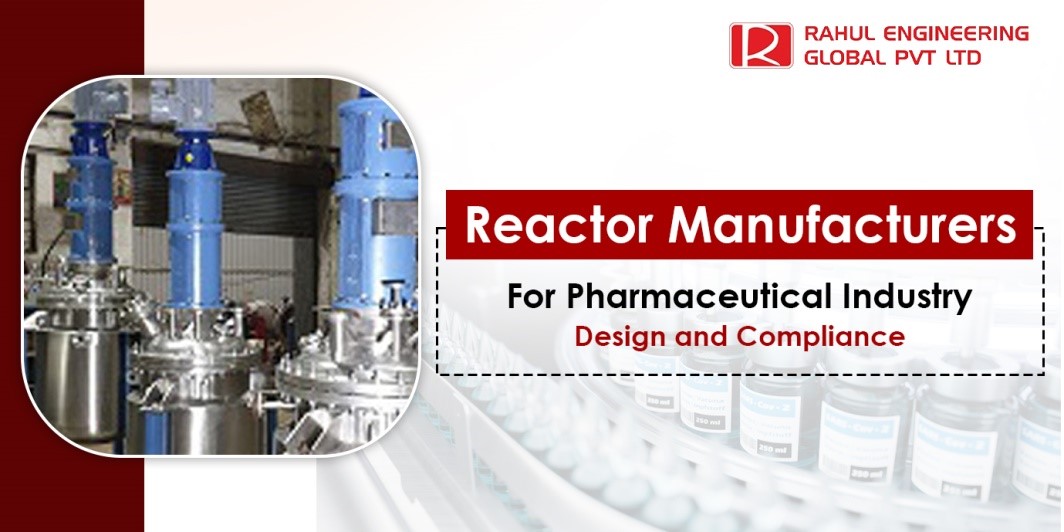
Pharmaceutical production involves complex chemical and biochemical processes that must be carefully controlled. Reactors provide a safe environment where reactions can occur under controlled temperature, pressure, and mixing conditions.
Key functions of reactors in pharmaceutical plants include:
- Chemical synthesis of active pharmaceutical ingredients (APIs)
- Mixing and blending of pharmaceutical compounds
- Crystallization and reaction control
- Fermentation processes in biotechnology
- Temperature and pressure regulation during production
Because pharmaceutical products directly affect human health, reactors must be designed with high precision and reliability.
Key Design Considerations for Pharmaceutical Reactors
1. Material Selection
Material selection is crucial when designing reactors for pharmaceutical applications. The materials must resist corrosion, prevent contamination, and comply with hygiene standards.
Common materials used include:
- Stainless steel (SS316L)
- High-grade alloys
- Glass-lined steel for chemical resistance
For example, Glass-lined Reactor systems are often used when chemical resistance and contamination prevention are critical.
2. Hygienic and Clean Design
Pharmaceutical manufacturing requires strict hygiene standards to prevent contamination. Reactor manufacturers must design equipment that supports easy cleaning and sterilization.
Important hygienic design features include:
- Smooth internal surfaces
- Sanitary fittings and connections
- Clean-in-place (CIP) systems
- Sterilize-in-place (SIP) capability
These features ensure that reactors meet pharmaceutical cleanliness requirements.
3. Temperature and Pressure Control
Many pharmaceutical reactions require precise temperature and pressure control to achieve desired chemical outcomes. Reactor manufacturers integrate advanced control systems to maintain stable operating conditions.
Key components include:
- Heating and cooling jackets
- Temperature sensors and controllers
- Pressure monitoring systems
- Automated process control systems
These features ensure consistent production quality and safe operations.
4. Mixing and Agitation Systems
Proper mixing is essential for uniform chemical reactions in pharmaceutical processes. Reactor manufacturers design specialized agitation systems depending on the process requirements.
Common agitation systems include:
- Anchor agitators
- Turbine agitators
- Propeller mixers
Efficient mixing improves reaction rates and ensures uniform product quality.
5. Scalability and Customization
Pharmaceutical manufacturers often require customized reactors that match specific production requirements. Reactor manufacturers design systems that can be scaled from laboratory to pilot plant and full-scale production.
Customization may include:
- Reactor volume capacity
- Specialized agitators
- Automated control systems
- Integration with other process equipment
Scalable reactor designs support efficient pharmaceutical manufacturing growth.
Regulatory Compliance for Pharmaceutical Reactors
Pharmaceutical equipment must comply with strict regulatory standards to ensure product safety and quality.
1. Food and Drug Administration (FDA)
The FDA regulates pharmaceutical manufacturing equipment used in drug production to ensure safety and compliance.
2. International Organization for Standardization (ISO)
ISO standards provide guidelines for quality management and equipment manufacturing processes.
3. World Health Organization (WHO) Guidelines
WHO provides global standards for pharmaceutical manufacturing and equipment design.
4. Good Manufacturing Practices
Pharmaceutical reactors must comply with Good Manufacturing Practice regulations to ensure product quality, traceability, and safety.
Applications of Reactors in Pharmaceutical Manufacturing
Reactors are widely used across different pharmaceutical production processes, including:
- Active Pharmaceutical Ingredient (API) Production:Reactors facilitate chemical reactions required to produce pharmaceutical active ingredients.
- Biopharmaceutical Production:Biotech companies use reactors for fermentation and biological processing.
- Vaccine Manufacturing:Controlled reactor environments support the production of vaccines and biological products.
- Chemical Drug Synthesis:Reactors enable the controlled synthesis of complex pharmaceutical compounds.
Benefits of Choosing Experienced Reactor Manufacturers
Working with experienced reactor manufacturers offers several advantages:
- Compliance with pharmaceutical regulations
- High-quality and contamination-free equipment
- Custom-designed solutions for specific processes
- Improved efficiency and production reliability
- Long equipment lifespan with minimal maintenance
Experienced manufacturers understand the unique challenges of pharmaceutical manufacturing and design reactors accordingly.
Conclusion
Reactors are essential equipment in pharmaceutical manufacturing, supporting critical chemical and biological processes. Reactor manufacturers must carefully design systems that meet strict hygiene standards, ensure precise process control, and comply with regulatory requirements.
By focusing on factors such as material selection, hygienic design, mixing efficiency, and compliance with international standards, manufacturers can deliver high-performance reactors that support safe and efficient pharmaceutical production.